If you have ever searched for your own business on Google and could not find it, you are not imagining things. Millions of small business websites exist online and get zero organic traffic every month. Not because the businesses are bad, but because nobody has taken care of the SEO.
SEO tips for small business websites almost always start with the same diagnosis — the site was built and then forgotten. No optimization, no structure, no strategy. The result is a website that Google does not understand and therefore does not rank.
Here is what is likely going wrong and what you can do about it.
Why Google Cannot Find Your Website
Before Google can rank your website, it needs to find it, crawl it, and understand what it is about. If any of those three steps fail, your site will not appear in search results, no matter how good your content is.
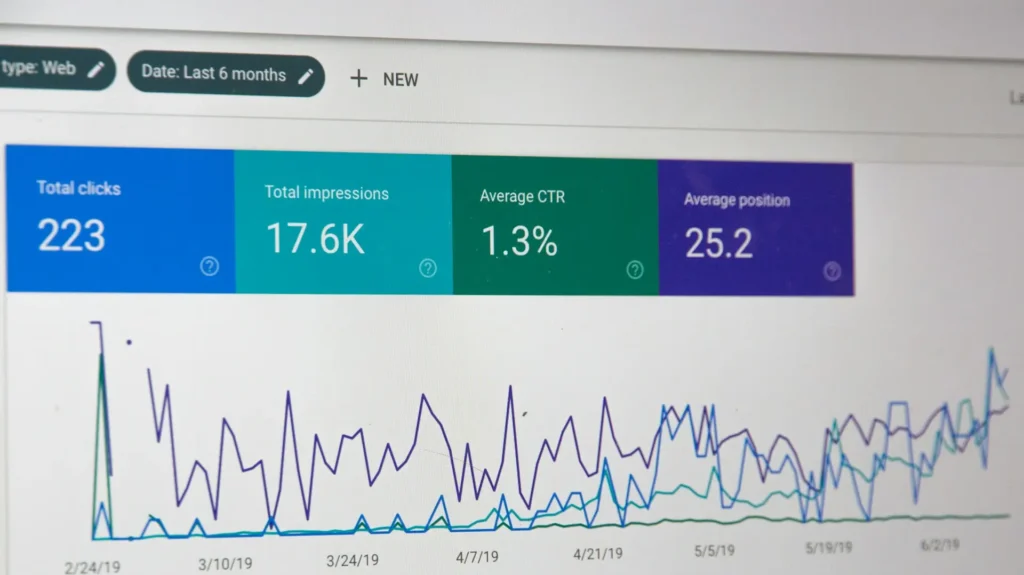
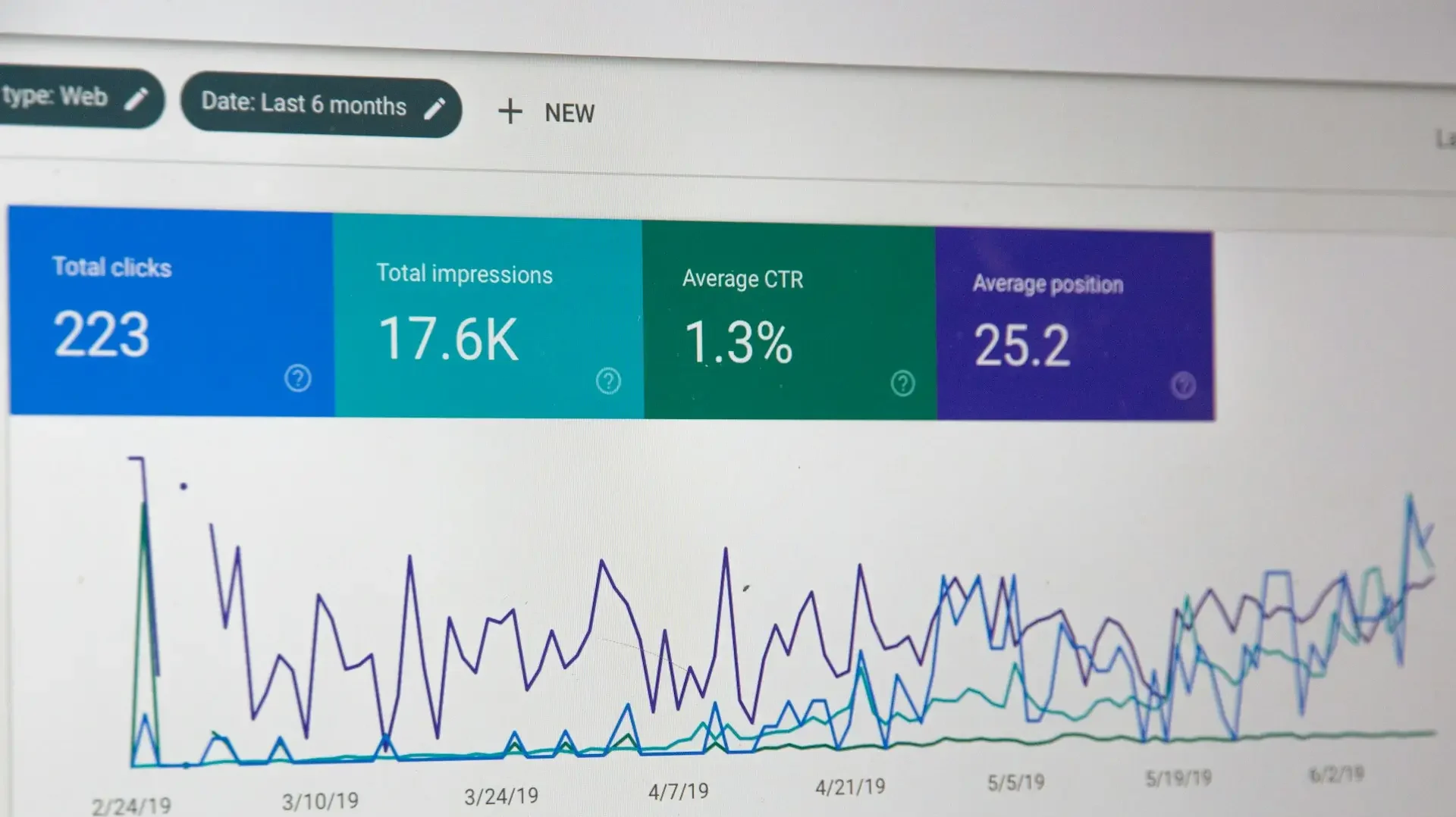
The most common reasons Google cannot find a small business website include the site not being submitted to Google Search Console, no sitemap being present, and pages being accidentally set to noindex. These are basic technical issues that are completely fixable in under an hour.
Start by going to Google Search Console, adding your website, and submitting your sitemap. If you do not have a sitemap, a plugin like Rank Math or Yoast will generate one automatically.
Your Pages Have No Target Keywords
Google matches search queries to web pages based on the words and phrases on those pages. If your homepage just says “Welcome to our business” with no specific language about what you do, who you serve, or where you are located, Google has nothing to work with.
Every page on your website should target a specific keyword or phrase that your potential customers are actually searching for. Your homepage, your service pages, and your blog posts all need clear, relevant language that matches what people type into Google.
This does not mean stuffing keywords everywhere. It means writing clearly and specifically about what you do. “WordPress website design for small businesses in the US” is more useful to Google than “we offer web solutions.”
Your Website Is Too Slow
Page speed is a confirmed Google ranking factor. If your website takes more than three seconds to load, Google will push it down in the rankings. Slow websites also have higher bounce rates, which signals to Google that visitors are not finding what they came for.
Common causes of slow websites include large uncompressed images, too many plugins, and low quality hosting. Use Google PageSpeed Insights to run a free audit of your site. It will tell you exactly what is slowing things down and how to fix it.
You Have No Backlinks
Backlinks are links from other websites pointing to yours. Google treats them as votes of confidence. A site with zero backlinks is essentially invisible to Google compared to competitors who have been mentioned, featured, or linked to from other credible sites.
Building backlinks takes time, but it is not as complicated as it sounds. Getting listed in local business directories, being mentioned in industry blogs, or having a partner or supplier link to your site are all legitimate ways to start building authority.
Your Content Does Not Answer Real Questions
One of the most effective SEO strategies for small businesses is also the simplest — write content that answers the questions your customers are actually asking. Blog posts, FAQs, and service page copy that directly address common customer questions tend to rank well because they match real search intent.
Think about what your customers ask you before hiring you. Those questions are your content topics. Answer them clearly and specifically on your website, and Google will start sending you the people who are asking those same questions.
On-Page SEO Is Missing
On-page SEO refers to the basic optimization elements that every page on your site should have — a title tag, a meta description, header tags, image alt text, and internal links. Most small business websites are missing at least some of these.
A plugin like Rank Math makes this easy to manage. It shows you exactly what is missing on each page and guides you through fixing it. Spend an afternoon going through your key pages and making sure the basics are covered.
The Bottom Line
Getting your small business website to show up on Google is not magic. It is a combination of technical setup, clear content, and consistent effort over time. Most of the issues on this list can be fixed without any technical expertise — you just need to know what to look for.
If you want someone to handle the SEO side properly from the start, the team at Blynex Solution offers SEO services for small business websites. Reach out through our contact page, and we will take a look at your current site and tell you exactly what needs to be done.